
Most Kenyan SMEs stop investing in their brand the moment the logo file arrives. That is exactly where the real problem starts, because a logo on its own says nothing about which colours to use on a Facebook post, which font goes on a delivery van, or how to lay out a business card so it still looks like the same business three branches later. Brand identity guidelines are the document that answers those questions before they turn into a mismatched, inconsistent brand.
This guide breaks down what brand identity guidelines actually are, what a usable set should contain, and why skipping this step is one of the most common ways a growing Kenyan business ends up looking like several different companies at once. If you have not yet had a logo designed, our graphic design and branding services page is a good place to start before guidelines make sense.
What Brand Identity Guidelines Actually Are
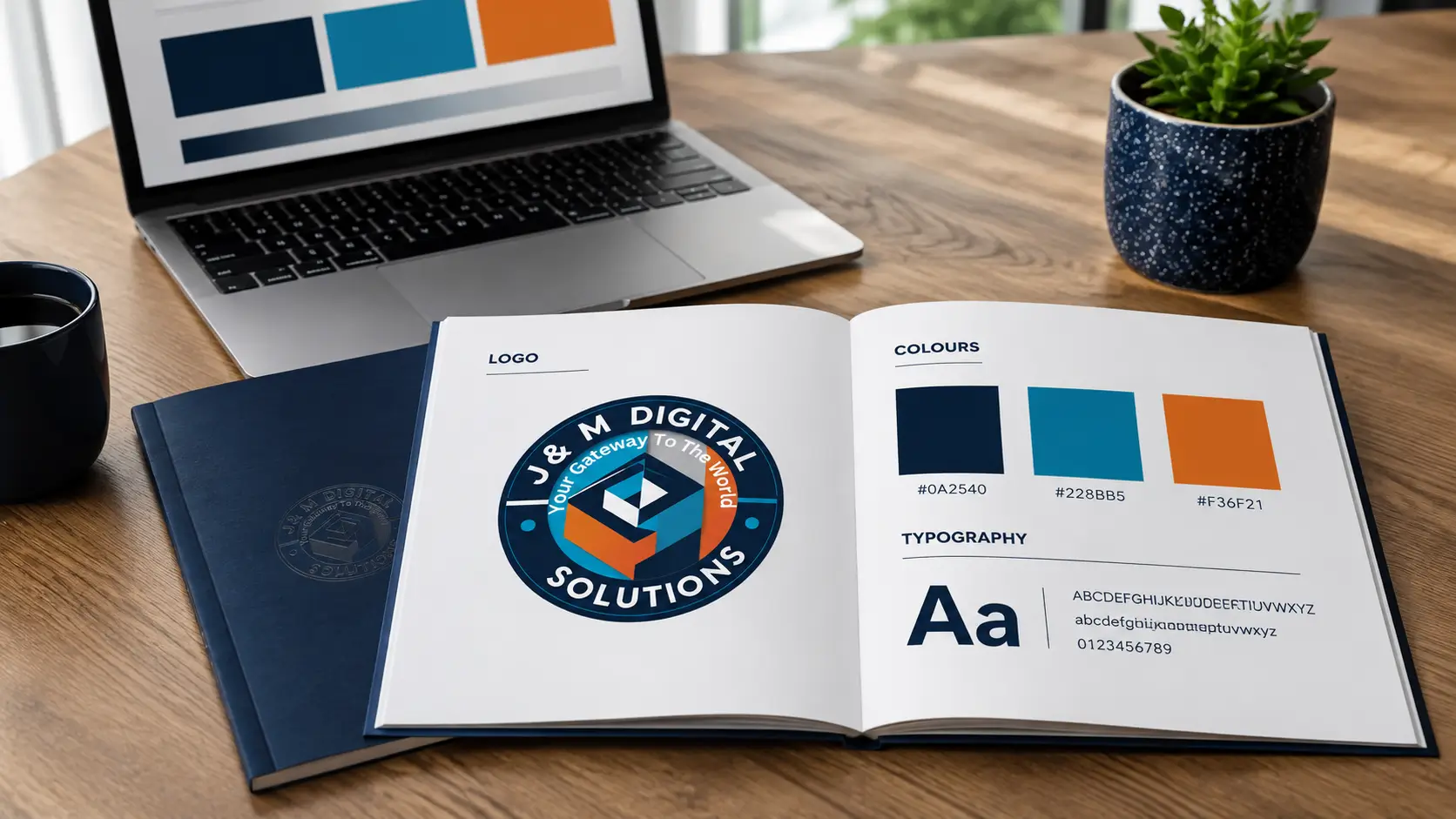
Brand identity guidelines, sometimes called a brand style guide, are a short reference document that shows exactly how a business’s visual identity should be used. It is not the logo itself. It is the rulebook that sits behind the logo, covering colours, fonts, spacing, and the do’s and don’ts that keep a brand looking like one business instead of five different ones stitched together over time.
Key fact: Without written guidelines, brand inconsistency almost always creeps in gradually. A new hire picks a slightly different blue for a poster, a printer substitutes a similar-looking font because the correct one was never specified, and within a year a business’s Facebook page, signage, and invoices no longer visually match.
| Without Guidelines | With Guidelines |
|---|---|
| Every new designer or printer guesses at colours and spacing | Exact colour codes and spacing rules are handed over in seconds |
| Logo gets stretched, recoloured, or placed on backgrounds it clashes with | Clear rules prevent distortion and poor colour combinations |
| Social media, signage, and print materials slowly drift apart | Every touchpoint stays visually consistent as the business grows |
| Onboarding a new marketing hire or agency takes weeks of back and forth | A new hire or agency can get up to speed from a single document |
What a Usable Brand Identity Guidelines Document Should Include
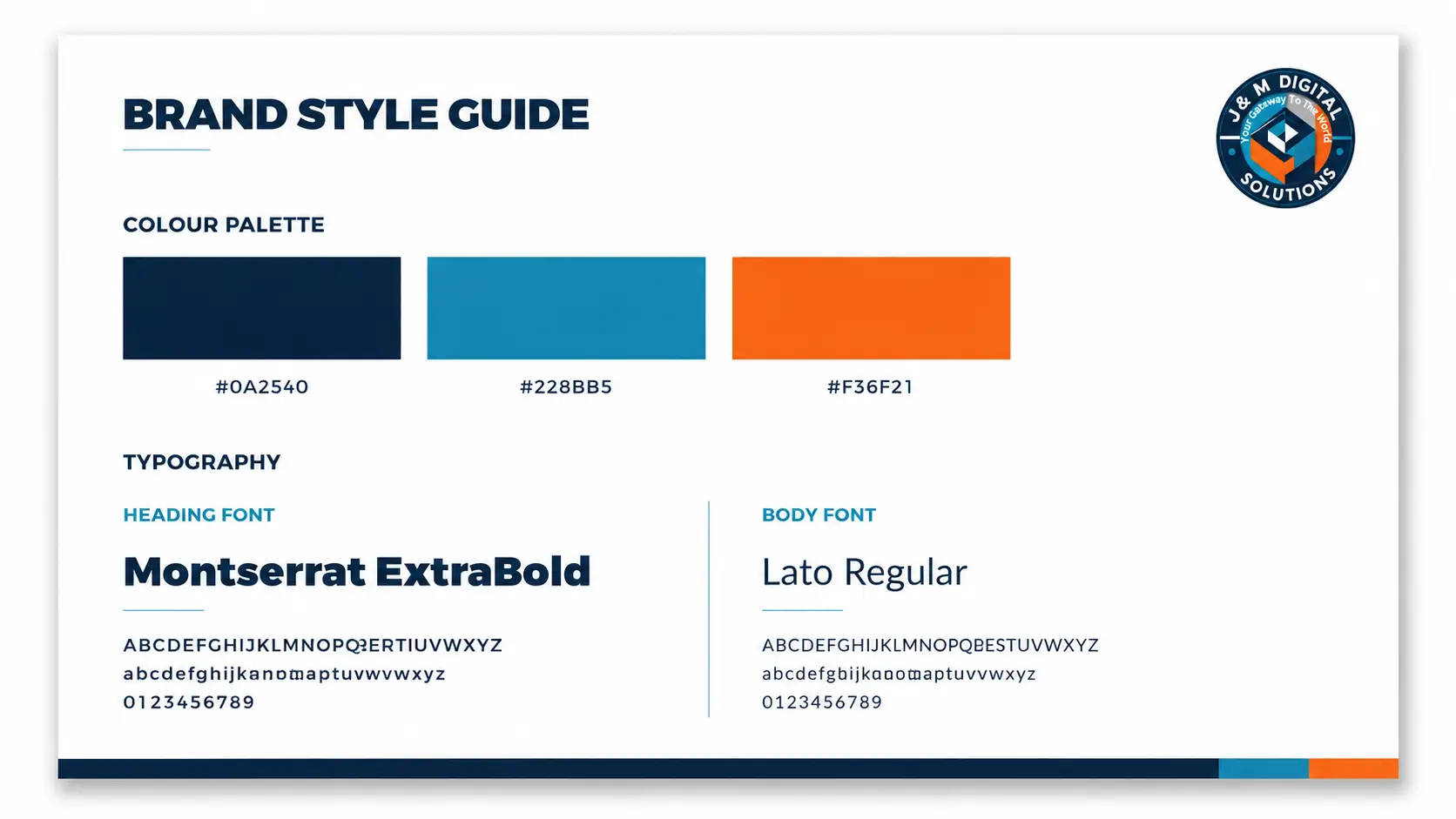
A guidelines document does not need to be long to be effective. Most small and mid-sized Kenyan businesses are well served by a focused four to eight page reference rather than the fifty-page manuals large corporates use.
Logo Usage Rules
Shows the primary logo, an alternate single-colour version, minimum size, and clear space rules, plus explicit examples of what not to do, such as stretching the mark or placing it on a clashing background.
Colour Palette
Lists the primary and secondary brand colours with their exact HEX, RGB, and CMYK codes, so a printer in Nairobi and a social media manager working from a phone reach the identical shade every time.
Typography
Names the primary font for headings and a secondary font for body text, including a freely available web-safe alternative for use in tools like Canva or Word where the original brand font may not be installed.
Imagery and Tone
Describes the general style of photography or illustration the brand uses, along with a short note on voice, such as whether the business communicates in a formal or conversational tone across its captions and customer replies.
Applied Examples
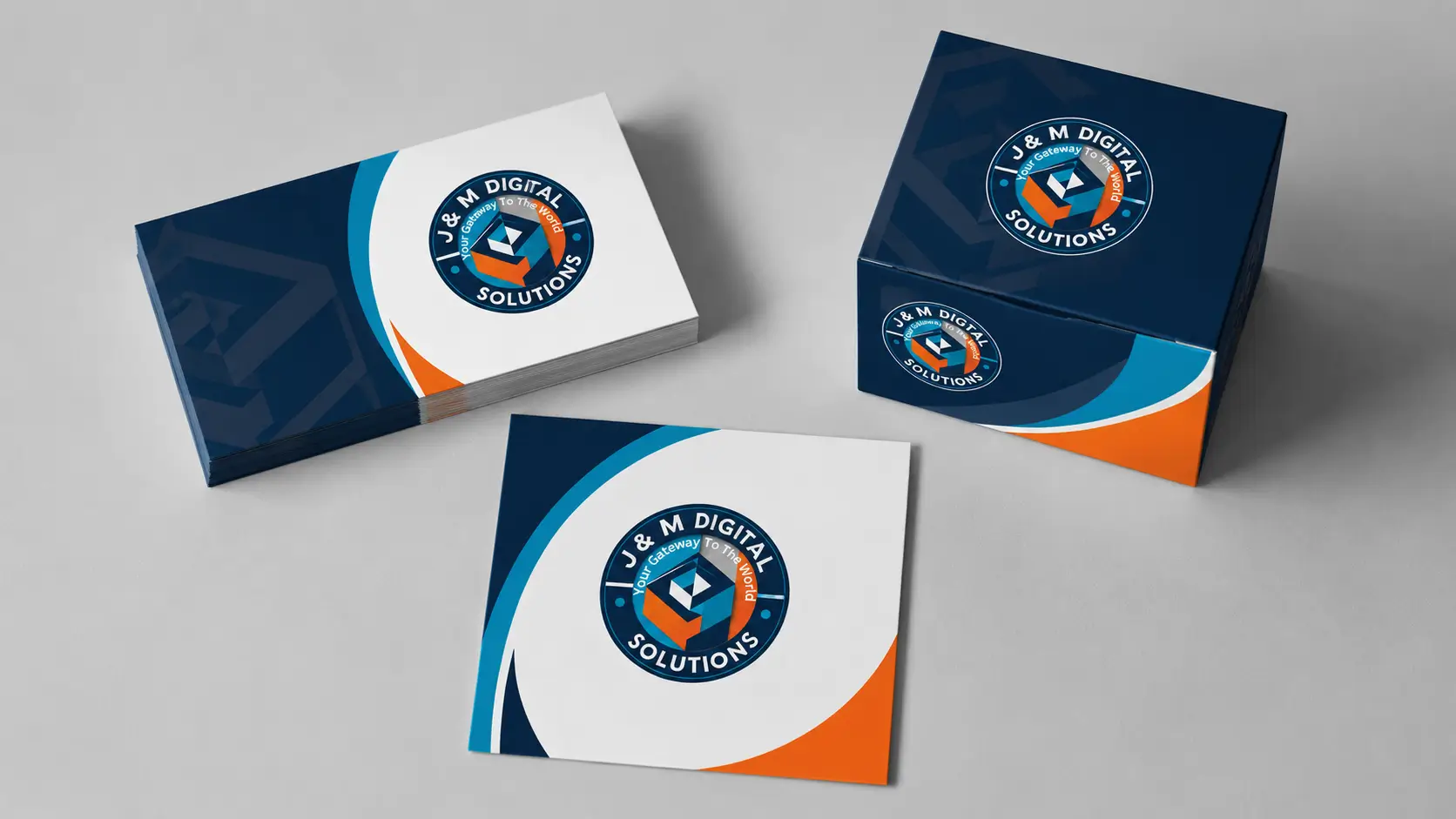
Shows the identity in use on a business card, a social media post template, and one other real touchpoint relevant to the business, such as signage or packaging, so the rules are demonstrated rather than only described.
Brand Guidelines vs a Full Brand Strategy
It is worth being clear about what brand identity guidelines are not. They are not a brand strategy document covering market positioning, target audience research, or messaging pillars, and they are not the same as a full company profile. Guidelines are purely visual and practical: a reference that tells anyone producing materials for the business exactly how to apply an identity that already exists. Businesses that need the deeper strategic work done first should start with a proper branding engagement rather than jumping straight to a style guide, since guidelines only work once there is a settled identity to document.
Client: Boutique Bakery, Kiambu
This project shows why a brand style guide matters once a business starts growing past a single location. A boutique bakery in Kiambu had a logo designed roughly a year earlier but no written rules to go with it. Each new batch of packaging, signage, and social posts used a slightly different shade of pink depending on who produced it, and the logo appeared stretched on some packaging where it had been resized incorrectly. We documented the correct colour codes, produced a single-colour version for embossed packaging, and built simple social media post templates the bakery’s staff could reuse without needing a designer for every post.
These figures reflect one client’s project and are not a guaranteed timeline for every business. The scope of an existing identity and the number of touchpoints involved both affect how long a project takes.
Common Mistakes Kenyan SMEs Make With Brand Identity
These are the issues we see most often when a growing business has never had a formal visual identity guide in place.
| Mistake | What Goes Wrong |
|---|---|
| Approving colours “by eye” instead of recording exact codes | The same brand colour looks slightly different across every platform and printer |
| Never documenting a single-colour version of the logo | Embroidery, stamps, and low-cost printing end up using a distorted or improvised version |
| Letting every new staff member design their own social posts freehand | Feed looks inconsistent and unrecognisable as belonging to one business |
| Treating guidelines as a one-time document that is never referenced again | Drift creeps back in within months once nobody is actively checking against it |
| Combining guidelines work with a full rebrand when only documentation was needed | Adds unnecessary cost and delay when the existing identity was already working fine |
How J&M Digital Solutions Can Help
Whether a business needs a brand identity built from scratch or simply needs its existing identity documented properly, we put together guidelines that are actually usable day to day, not a manual that sits unopened after delivery.
- Custom logo and full identity design through our graphic design and branding services
- Consistent visuals carried across your channels via our social media marketing services in Kenya
- A website built to match your documented identity through our web design services in Kenya
- Real client work on our portfolio page
- More on our team and approach on our about page
Get Brand Identity Guidelines Built for Your Business
Send us your existing logo and materials, and we will put together a clear, practical guidelines document your whole team can actually use.
Phone / WhatsApp: +254 769 604 780 | Website: jmdigitalsolutionske.com | Service Area: Nairobi and Nationwide, Kenya
Frequently Asked Questions
Do small businesses in Kenya really need brand identity guidelines?
Any business working with more than one person on marketing materials, whether that is a staff member, a freelance designer, or a printer, benefits from having colours, fonts, and logo rules written down. It prevents the slow drift that happens when everyone is guessing.
What is the difference between a logo and brand identity guidelines?
A logo is a single design asset. Brand identity guidelines are the rulebook around it, covering colours, fonts, spacing, and correct usage across every place the brand appears, from a website to a delivery bike.
Can guidelines be created for a logo that already exists?
Yes. Documenting guidelines for an existing logo is one of the most common requests we get, particularly from businesses that had a logo designed early on with no supporting rules put in place at the time.
How long does a brand identity guidelines document take to produce?
A focused guidelines document for a small or mid-sized business typically takes one to two weeks, depending on how much of the existing identity needs to be reviewed and standardised first.
Do I need a full rebrand if my current branding looks inconsistent?
Not necessarily. Inconsistency is often a documentation problem rather than a design problem. Writing proper guidelines around an identity that already works is usually faster and less costly than starting over with a full rebrand.